Understanding Escrow Accounts: Why They Matter in Modern Property Transactions
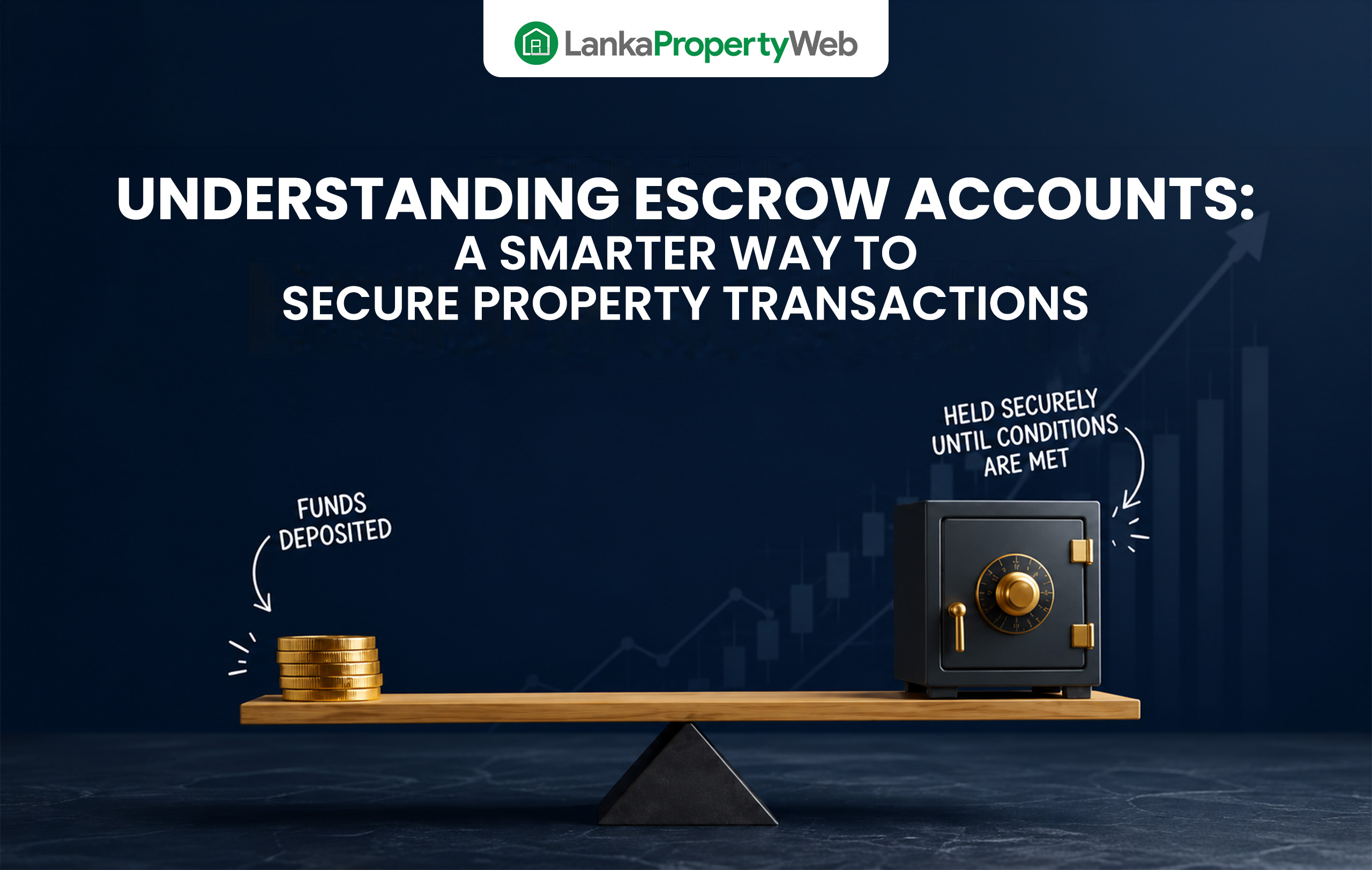
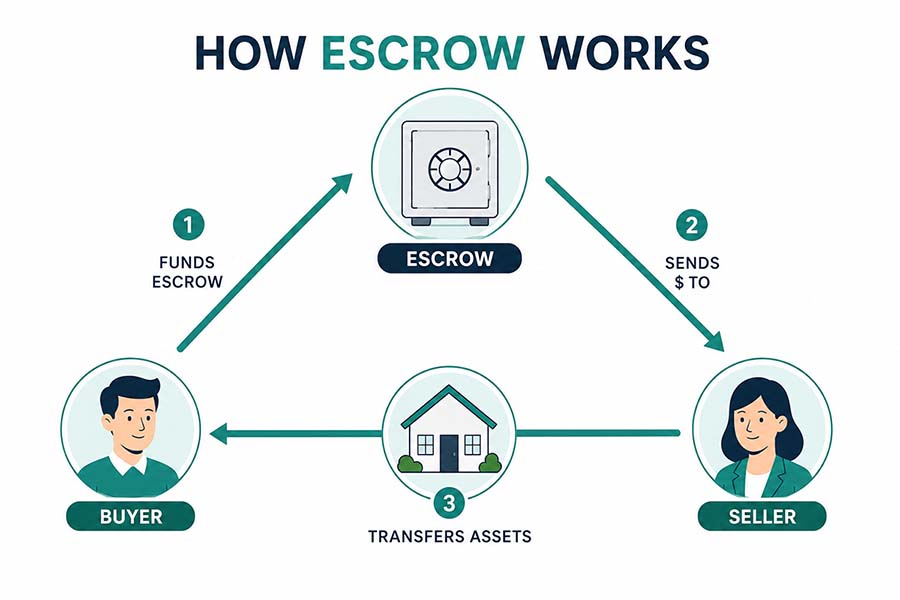
An escrow account is a special bank account where money or assets are held by a neutral third party until agreed conditions between two or more parties are fulfilled. This protects both the buyer and the seller by ensuring that funds are released only after the agreed obligations have been completed.
For example, when purchasing a property, the buyer deposits the purchase price into the escrow account. The bank releases the funds to the seller only after the legal transfer of ownership is completed, reducing the risk for both parties.
Common Uses of Escrow Accounts
· Property transactions – Funds are released only after ownership is legally transferred.
· Apartment purchases – Payments for off-plan developments are released according to construction milestones.
· Business acquisitions – Purchase funds are held until legal and ownership requirements are completed.
· Construction projects – Payments are made only after agreed stages of work are completed.
· Legal and commercial agreements – Funds are released once contractual obligations are fulfilled.
Types of Escrow Accounts
1. Real Estate Escrow Account
2. Construction Escrow Account
3. Business Escrow Account
4. Legal Escrow Account
5. Investment or Share Transaction Escrow Account
6. Software Escrow Account – The software source code is held by a neutral third party and released only under agreed conditions.
Escrow Accounts in Dubai
Escrow accounts are a common practice in many countries around the world, particularly in the real estate sector. Dubai is one of the best examples, where escrow accounts are mandatory for off-plan property developments. This system protects both buyers and developers by ensuring that buyers’ payments are used only for the construction of the project. Developers cannot use the money for personal purposes or to finance another development. Instead, the funds can only be used for project-related expenses such as paying contractors, purchasing construction materials, and covering construction costs. In addition, developers are required to deposit 30% of the total project value as a financial guarantee into the escrow account. For example, if a project is worth AED 100 million, the developer must deposit AED 30 million before construction progresses. Developers must also submit the project budget, construction timeline, and obtain approval from the Real Estate Regulatory Agency (RERA). Funds are released only after construction milestones are achieved, with supporting documents such as progress reports and invoices.
Escrow Accounts in Sri Lanka
In Sri Lanka, the use of escrow accounts is voluntary rather than mandatory. While some leading developers have used escrow arrangements for selected projects, other developers may also use them depending on the project’s financing structure, agreements with banks, or buyer requirements. Banks act as independent third parties, releasing funds only after agreed milestones or contractual conditions have been satisfied.
How to Open an Escrow Account in Sri Lanka
In Sri Lanka, several licensed commercial banks offer escrow account services, mainly for property, construction, and commercial transactions.
Although the exact process may vary from bank to bank, the general steps are similar.
Step 1: Contact a Bank
Visit a bank that offers escrow account services and explain the purpose of your transaction.
Step 2: Submit the Required Documents
The bank will ask for documents related to the transaction. These may include:
§ National Identity Card (NIC) or Passport
§ The agreement between the buyer and seller
§ Property sale agreement or another relevant contract
§ Any additional documents requested by the bank
Step 3: Sign the Escrow Agreement
Both parties must sign an escrow agreement. This document explains:
§ The purpose of the escrow account
§ The amount of money to be deposited
§ The conditions for releasing the funds
§ The responsibilities of each party
Step 4: Deposit the Money
The buyer deposits the agreed amount into the escrow account.
Step 5: The Bank Holds the Funds
The bank keeps the money safely while both parties complete the agreed conditions.
Step 6: Release of Funds
Once the bank receives confirmation that all conditions have been fulfilled, the money is released to the seller or the intended beneficiary according to the escrow agreement.
Conclusion
Escrow accounts are an effective financial safeguard that improves transparency, reduces financial risk, and builds trust between parties. While mandatory in some countries such as Dubai for off-plan developments, their use in Sri Lanka remains voluntary but is gradually increasing. As awareness and adoption grow, escrow accounts can strengthen confidence in Sri Lanka’s real estate and commercial sectors.
Posted Date: 18th July 2026